
Common Allergy Problems in Kochi Homes: A Complete Guide for Kerala Residents

Common Allergy Problems in Kochi Homes: A Complete Guide for Kerala Residents Imagine waking up every single morning with a blocked nose, watery eyes, and a sneezing fit that simply will not stop. For thousands of families living in Kochi, this is not just an occasional inconvenience — it is a daily reality. The warm, humid, and monsoon-drenched climate of Kerala creates near-perfect conditions for allergens to thrive inside your own home. Whether it is the invisible dust mites buried deep in your mattress, the mold silently growing behind your bathroom tiles, or the pollen drifting in through your windows during the flowering season, allergy problems in Kochi homes are both widespread and frequently misunderstood. Many residents dismiss these symptoms as a “common cold” or “seasonal weakness,” delaying proper diagnosis and effective treatment for months or even years. This comprehensive guide has been written to help Kochi residents understand the root causes of home-based allergies, recognize symptoms that demand medical attention, and make informed decisions about allergy treatment in Kerala. Whether you are searching for a trusted dust allergy doctor in Ernakulam or simply trying to understand why your child keeps sneezing every night, this guide is your authoritative resource. Table of Contents Introduction Why Allergies Are Increasing in Kochi Homes What Causes Dust Allergy in Kerala’s Climate Difference Between Sinusitis and Allergy Monsoon Allergy Triggers in Kerala Dust Allergy in Children Why Consult an ENT Specialist Allergy Testing Methods Immunotherapy: A Long-Term Solution Dust Mite Prevention Checklist Best Sleeping Habits for Allergy Patients Conclusion FAQs Why Allergies Are Increasing in Kochi Homes Allergies in Kochi homes are becoming increasingly common due to rising humidity, dust accumulation, poor indoor ventilation, and changing weather patterns during the Kerala monsoon season. Many people experience frequent sneezing problems, nasal blockage, itchy eyes, and breathing discomfort caused by dust mite allergy and indoor allergens hidden in mattresses, curtains, carpets, and air-conditioned rooms. One of the most common conditions seen today is allergic rhinitis, which can lead to chronic sinus allergy symptoms if left untreated. Continuous exposure to dust, mold, pet dander, and damp environments can worsen dust allergy symptoms, especially during monsoon months in Kerala. People suffering from repeated sneezing, sinus congestion, throat irritation, or breathing difficulty should consult an experienced allergy specialist in Kochi or an ENT doctor for allergy treatment to identify the exact trigger and start proper care. Early indoor allergy treatment, lifestyle changes, and medical management can help prevent long-term allergy complications and improve daily quality of life. What Causes Dust Allergy in Kerala’s Climate Kerala’s climate is one of the primary reasons dust allergies are so prevalent in the state. The combination of high humidity, warm temperatures ranging between 24°C and 35°C throughout the year, and limited sunshine exposure inside homes creates an environment where allergens reproduce at an accelerated rate. Dust mites require humidity levels above 50% to survive and reproduce. In Kochi, indoor humidity often exceeds 70% during the monsoon months of June through September. This transforms every bedroom mattress, sofa cushion, and woolen blanket into a potential breeding ground for millions of microscopic mites. Old-style Kerala homes with thick stone walls, limited cross-ventilation, and heavy wooden furniture tend to trap moisture and dust, worsening indoor air quality significantly. Additionally, the widespread use of coconut coir mattresses and thick cotton bedding, both traditional in Kerala households, provides an ideal habitat for dust mites. Construction dust from the rapid urban development happening across Ernakulam district also contributes to worsening outdoor and indoor air quality, further aggravating allergy symptoms in residents. Difference Between Sinusitis and Allergy One of the most common sources of confusion among allergy patients is the difference between sinusitis and allergic rhinitis. While both conditions produce similar symptoms such as nasal congestion, headache, and runny nose, they have distinct causes and require different treatments. Allergic Rhinitis is an immune system response to specific allergens such as dust mites, pollen, or pet dander. The immune system mistakenly identifies these harmless particles as threats and releases histamine, causing inflammation of the nasal lining. Symptoms include sneezing, itchy eyes, clear runny nose, and nasal congestion. Sinus allergy treatment focuses on antihistamines, nasal corticosteroid sprays, and allergen avoidance. Sinusitis is inflammation of the sinus cavities, usually caused by a bacterial, viral, or fungal infection that follows an untreated cold or uncontrolled allergic rhinitis. Symptoms include thick yellow or green nasal discharge, facial pain and pressure, fever, and a reduced sense of smell. Chronic sinusitis can develop when allergic rhinitis is left untreated for years. The critical point here is that untreated allergies frequently lead to chronic sinusitis. This is why consulting an ENT allergy specialist at the earliest sign of persistent nasal symptoms is essential for preventing long-term complications. Monsoon Allergy Triggers in Kerala The Kerala monsoon, while celebrated for its beauty and relief from summer heat, is the most challenging season for allergy sufferers. During this period, multiple allergy triggers peak simultaneously. Mold spore counts rise dramatically as fungi grow on wet walls, damp clothing, and waterlogged soil. Dust mite populations explode due to elevated indoor humidity. Mosquito repellent coils and incense commonly burned indoors during monsoon release particulate matter that irritates sensitized airways. Water stagnation around homes encourages cockroach populations to move indoors, increasing cockroach allergen exposure. Many patients report that their chronic allergy treatment needs intensify significantly between June and September. Those with a known history of allergic rhinitis should consult their allergy specialist in Ernakulam before the monsoon arrives to adjust their treatment plan proactively. Dust Allergy in Children Children are disproportionately affected by dust allergies, and in Kochi, pediatric allergy cases are increasing year upon year. Children spend a significant portion of their time on the floor and in bedding, bringing them into closer contact with dust mite habitats than adults. Symptoms in children include persistent nighttime coughing, chronic sneezing in the mornings, frequent rubbing of the nose and eyes, dark circles under the eyes often called “allergic shiners,” mouth breathing, and poor sleep
Dust Allergy Symptoms & Treatment in Ernakulam
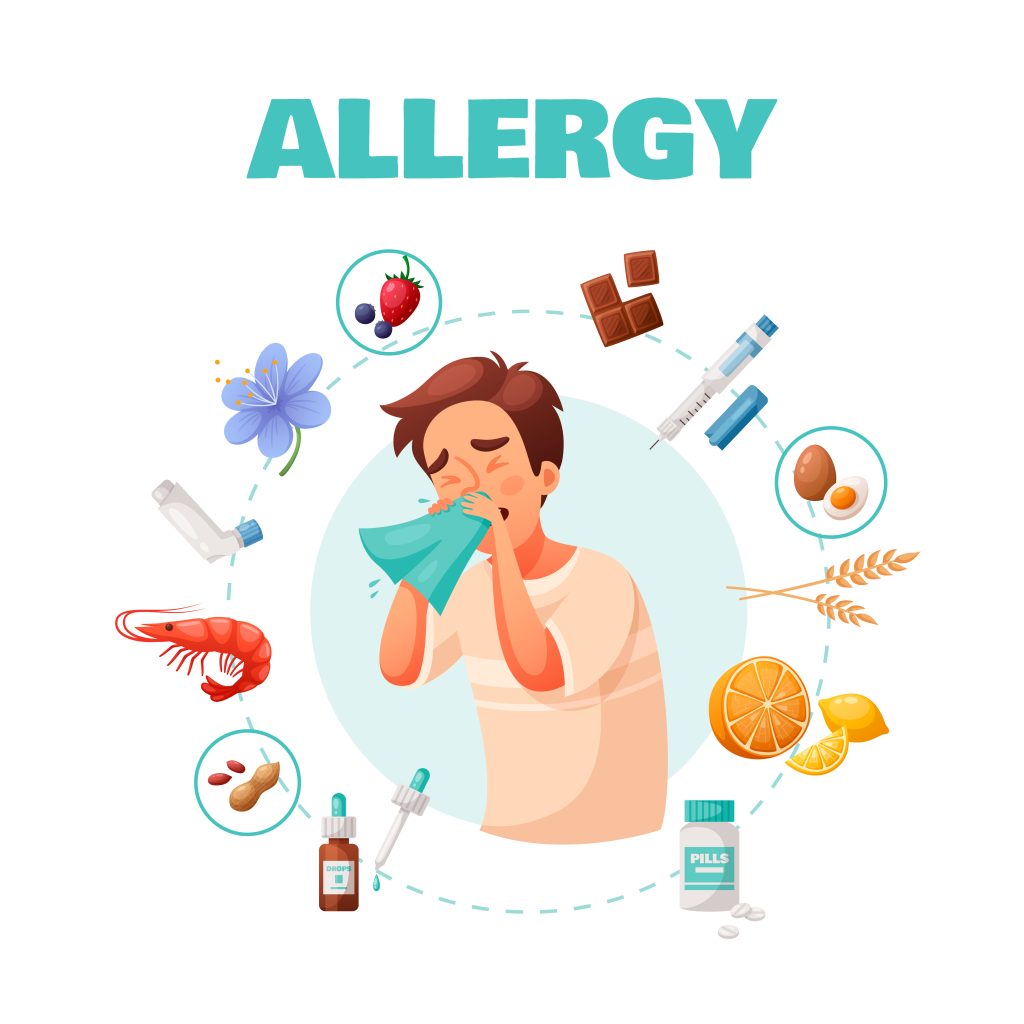
Dust Allergy Symptoms & Treatment in Ernakulam By Dr. Prasobh Stalin, ENT & Allergy Specialist Dust allergies are among the most common yet frequently misdiagnosed conditions in Kerala’s urban and coastal districts. If you’re waking up with a blocked nose, itchy eyes, or unexplained sneezing fits — especially inside your home or office — you may be reacting to invisible triggers like dust mites, mold spores, or airborne particulates. This guide covers everything you need to know, and when it’s time to seek help from an allergy specialist in Ernakulam. What Is Dust Allergy? Dust allergy is an allergic reaction triggered by tiny particles found in household dust. The most common trigger is dust mites, microscopic organisms that live in mattresses, pillows, sofas, carpets, curtains, and stuffed toys. Other dust components include pet dander, mold spores, pollen, and fine dirt particles. When a person with a sensitive immune system inhales or comes into contact with these allergens, the body reacts by releasing histamine, causing allergy symptoms. Over time, untreated dust allergy can affect sleep quality, productivity, and overall quality of life. Causes Dust Allergy? Dust allergy isn’t caused by dust alone — it’s triggered by microscopic substances embedded within household dust. Understanding these triggers is the first step toward lasting relief. Common causes include: Dust mites — Tiny organisms that thrive in mattresses, pillows, carpets, and upholstered furniture. They are the #1 trigger of indoor dust allergies worldwide. Cockroach droppings — Particularly relevant in humid, tropical climates like Ernakulam, cockroach particles are a potent allergen. Pet dander — Proteins from the skin, saliva, or urine of cats and dogs can mix into household dust. Mold spores — Kerala’s high humidity makes mold growth common in bathrooms, kitchens, and poorly ventilated rooms. Pollen tracking — Outdoor pollen brought indoors via clothing, hair, and footwear. Air pollution particles — Fine particulate matter (PM2.5) from traffic and construction in Ernakulam city worsens dust sensitivity. Symptoms of Dust Allergy Dust allergy symptoms can range from mildly annoying to significantly disruptive to daily life. Because symptoms overlap with common colds, many people go years without a proper diagnosis. Respiratory symptoms: Frequent sneezing, especially in the morning Runny or stuffy nose (allergic rhinitis) Persistent dry cough Wheezing or shortness of breath Worsening of asthma symptoms Eye & skin symptoms: Watery, red, or itchy eyes (allergic conjunctivitis) Dark circles under the eyes (“allergic shiners”) Skin rashes, hives, or eczema flare-ups General symptoms: Fatigue and poor sleep quality (often due to nasal congestion) Headaches and facial pressure (sinusitis-like symptoms) Symptoms worse indoors, at night, or after cleaning Dust Allergy Treatment in Ernakulam Modern allergy medicine offers highly effective, evidence-based treatments. The best approach is always personalized — which is why visiting the best allergy clinic in Ernakulam matters more than self-medicating. 1. Allergy Testing (Diagnosis First) Before treatment, a specialist will confirm your specific triggers through: Skin Prick Test (SPT) — Quick, reliable, and performed in-clinic Specific IgE Blood Tests — Identifies antibodies to particular allergens Nasal endoscopy if sinusitis is suspected 2. Pharmacological Treatment Medication Type Purpose Antihistamines Relieve sneezing, itching, runny nose Intranasal corticosteroids Reduce nasal inflammation (most effective long-term) Decongestants Short-term relief of nasal blockage Leukotriene receptor antagonists For combined asthma + allergy cases Eye drops (antihistamine) Treat allergic conjunctivitis 3. Allergen Immunotherapy (AIT) — The Only Curative Option Unlike medications that only manage symptoms, immunotherapy gradually desensitizes your immune system to dust allergens. Subcutaneous Immunotherapy (SCIT): Injections given over 3–5 years Sublingual Immunotherapy (SLIT): Drops or tablets placed under the tongue — more convenient for regular use Immunotherapy is now widely available at the best allergy clinic in Ernakulam and has shown 85%+ success rates in long-term dust mite allergy control. 4. Environmental Control Measures Prescribed alongside medication by your allergy specialist: Use allergen-proof mattress and pillow encasings Wash bedding weekly in hot water (above 55°C) Replace carpets with tile or hardwood flooring Use HEPA air purifiers indoors Keep indoor humidity below 50% using dehumidifiers Avoid dry dusting — use damp mops or vacuum with HEPA filters When to Consult an Allergy Specialist in Ernakulam Many people delay specialist care, cycling through OTC antihistamines without real improvement. Here’s when professional evaluation is essential: Consult an allergy specialist in Ernakulam if: ✅ Your symptoms last more than 10–14 days without improvement ✅ You have nighttime symptoms affecting sleep quality ✅ Over-the-counter medications are no longer working or causing side effects ✅ You also have asthma or it’s worsening ✅ You experience recurrent sinus infections (more than 3 per year) ✅ Symptoms are affecting your work, school, or mental health ✅ You want to identify your exact triggers through testing ✅ You’re a child with chronic nasal symptoms — early intervention prevents long-term complications A qualified allergy specialist in Ernakulam won’t just prescribe a pill — they’ll map your triggers, test your immune response, and build a treatment plan that addresses the root cause. Dust Allergy in Children & Elderly In Children Children may show symptoms like: Frequent sneezing Runny nose Night-time coughing Poor sleep Difficulty concentrating Untreated allergies in children can affect growth, sleep quality, and school performance. In Elderly Elderly people with dust allergy may experience: Chronic cough Breathing difficulty Increased risk of asthma and sinusitis Weakened immunity Early diagnosis and regular follow-ups with an allergy specialist help prevent complications in both age groups. Here’s your content for both sections: Ernakulam Climate & Dust Issue Ernakulam sits in the heart of Kerala’s coastal belt, where year-round humidity levels regularly exceed 75–85%. This tropical climate, while lush and green, creates a hidden indoor health problem — one that most residents never connect to their symptoms. High moisture in the air accelerates the growth of dust mites, the microscopic organisms that thrive inside mattresses, curtains, and upholstered furniture. When humidity stays elevated for months — as it does across Ernakulam’s long monsoon and post-monsoon seasons — dust mite colonies multiply rapidly, releasing allergen particles into the air you breathe every day. Beyond dust mites, the
Why Sinusitis & Allergies Worsen During Kerala Monsoon | Allergy Specialist in Ernakulam Guide
Why Sinusitis & Allergies Worsen During Kerala Monsoon | Allergy Specialist in Ernakulam Guide By Dr. Prasobh Stalin, ENT & Allergy Specialist If you’re struggling with sinus congestion, sneezing, or breathing issues during Kerala’s monsoon, you’re not alone. The humid climate creates the perfect environment for allergies and sinus infections to worsen. Consulting an experienced allergy specialist in Ernakulam can help you manage these symptoms effectively and prevent long-term complications. Why Do Allergies Get Worse During Kerala’s Monsoon? While the arrival of the rains in Kerala offers a refreshing break from the heat, for many, it also marks the beginning of “allergy season.” If you find yourself sneezing more often or dealing with a persistent itchy throat as soon as the clouds roll in, you aren’t alone. The spike in allergic reactions during the monsoon isn’t just a coincidence—it’s a result of specific environmental changes unique to our tropical climate. 1. The Surge in Mold and Mildew Kerala’s monsoon brings a massive jump in humidity, often staying well above 80%. This dampness is the perfect breeding ground for fungi. The Culprit: Mold spores. The Impact: These microscopic spores become airborne and are easily inhaled, triggering allergic rhinitis or asthma flares. You’ll often find them hiding in damp corners, on wooden furniture, or behind curtains. 2. Dust Mite Proliferation Contrary to popular belief, dust mites don’t need “dust” as much as they need moisture. They thrive in humid conditions where they can absorb water from the air. During the monsoon, carpets, mattresses, and upholstery become hotspots for these tiny pests, leading to increased morning sneezing and skin rashes. 3. Stagnant Air and Indoor Pollutants With heavy downpours, we tend to keep windows and doors tightly shut. While this keeps the rain out, it also traps indoor allergens like pet dander, incense smoke, and kitchen fumes. Without proper ventilation, the concentration of these irritants increases, putting your immune system on high alert. 4. Atmospheric Pressure and Pollen Though spring is the peak for pollen in many places, the heavy winds preceding a Kerala thundershower can carry pollen and particulates from distant vegetation. Additionally, the sudden change in barometric pressure can cause sinus membranes to swell, making you more sensitive to existing allergens. Sinusitis vs Allergies – How to Identify? Symptom Allergies (Hay Fever) Sinusitis (Sinus Infection) Pain/Pressure Rare; usually just “fullness” Strong pressure behind eyes & cheeks Nasal Discharge Clear, thin, and watery Thick, yellow, or green mucus Fever Never Often accompanies the infection Itchy Eyes Very common Rare Duration Lasts as long as the allergen is present Usually clears up in 7–10 days Why Kerala’s Climate Triggers Sinus and Allergy Problems Kerala’s humid tropical climate, while beautiful, creates perfect conditions for sinus issues and allergies to flourish. Understanding these environmental factors helps explain why so many people in Ernakulam and Thrissur seek treatment at the best allergy clinic in Ernakulam during certain times of the year. Monsoon Season and Indoor Allergens During Kerala’s monsoon months from June to September and again in October to November, humidity levels often exceed 80 percent. This moisture creates ideal conditions for: Mold and Fungal Growth: Damp walls, poorly ventilated bathrooms, and wet clothing become breeding grounds for mold spores. When inhaled, these spores trigger allergic reactions and can lead to fungal sinusitis, a condition that requires specialized treatment from an expert ENT specialist. Dust Mites: These microscopic creatures thrive in humid environments, living in mattresses, pillows, carpets, and upholstered furniture. Their waste products are potent allergens that can trigger year-round allergic rhinitis and worsen sinus inflammation. Read More:- Air Quality and Pollution Urban areas like Kochi and Thrissur face additional challenges with vehicle emissions, construction dust, and industrial pollutants. These irritants inflame the nasal passages and sinuses, making them more susceptible to infection and allergic reactions. Temperature Fluctuations Kerala’s climate can shift between hot, humid conditions and cooler, rainy periods within the same day. These temperature changes can trigger vasomotor rhinitis, where blood vessels in the nose become overly sensitive, leading to congestion, sneezing, and runny nose without an actual allergic or infectious cause. The Connection Between Allergies and Chronic Sinusitis Many people don’t realize that allergies and sinusitis often occur together in a problematic cycle. Allergic rhinitis causes inflammation and swelling of the nasal passages, which blocks the tiny openings that allow sinuses to drain. When drainage is blocked, mucus accumulates, pressure builds, and the risk of bacterial or fungal infection increases dramatically. This is why finding the best allergy clinic in Ernakulam or your local area is essential. Proper allergy management can prevent the development of chronic sinusitis and break this recurring cycle. When to See an ENT Specialist: Warning Signs While occasional sinus congestion during monsoon season is normal, certain symptoms indicate you need professional evaluation: Symptoms lasting more than 10 days without improvement Severe symptoms including high fever, intense facial pain, or vision changes Recurrent sinus infections (four or more per year) Symptoms that don’t respond to over-the-counter medications Breathing difficulties or sleep disruption due to nasal blockage Blood in nasal discharge Swelling around the eyes or severe headache An expert ENT specialist can perform a thorough examination, which may include nasal endoscopy, CT scans, or allergy testing to identify the root cause of your symptoms. Modern Diagnosis and Treatment Approaches Diagnostic Methods The best ENT specialist in Kerala will use several approaches to diagnose your condition accurately: Nasal Endoscopy: A thin, flexible tube with a camera allows the doctor to examine your nasal passages and sinus openings directly, identifying polyps, structural abnormalities, or signs of infection. CT Scanning: Provides detailed images of your sinuses to assess the extent of inflammation, blockages, or anatomical issues that may require surgical intervention. Allergy Testing: Skin prick tests or blood tests identify specific allergens triggering your symptoms, enabling targeted treatment strategies. Mucus Culture: Samples of nasal discharge can be analyzed to identify bacterial or fungal infections and determine which medications will be most effective. Treatment Options Treatment for chronic sinusitis and allergies is
Top Things to Avoid if You Have Allergies – Expert Guide by Dr. Prashobh
Top Things to Avoid if You Have Allergies – Expert Guide by Dr. Prasobh By Dr.Prasobh Stalin, ENT & Allergy Specialist Allergies are becoming increasingly common in Kerala due to changing weather, rising humidity, and increased exposure to indoor irritants. While medication offers relief, avoiding the right triggers is equally important to prevent flare-ups. In this comprehensive guide, Dr. Prashobh, ENT & Allergy Specialist in Kerala, explains what you must avoid and how to protect yourself from recurring allergy symptoms. Things to Avoid if You Have Allergies Below are the major triggers you must avoid to control your allergy symptoms effectively. 1. Avoid Dust & Dust Mites Kerala’s humidity encourages dust mite growth. Avoid: Old carpets Heavy drapes Untidy bookshelves Unwashed bedding Use hypoallergenic covers and sun-dry bedding regularly. 2. Avoid Strong Scents & Chemical Sprays Strong fragrances irritate the nose and throat. Avoid: Perfumes Incense sticks Room fresheners Mosquito coils Choose organic or fragrance-free alternatives. 3. Avoid Close Contact with Pets (If Allergic) Pet dander can trigger severe respiratory symptoms. Avoid: Keeping pets inside bedrooms Allowing pets on sofas/beds Regular grooming helps but does not remove allergens completely. 4. Avoid Damp Corners & Mold Mold thrives in Kerala’s monsoon weather. Avoid: Damp bathrooms Wet clothing indoors Poorly ventilated rooms Use exhaust fans and sunlight exposure to reduce moisture. 5. Avoid Trigger Foods Food allergies vary from person to person. Avoid: Unknown dishes from restaurants Foods containing nuts, dairy, or seafood (if allergic) Packaged foods without checking labels Carry prescribed medication if you have severe reactions. 6. Avoid Pollen During Peak Seasons Pollen levels rise during flowering season. Avoid: Outdoor activities early morning Drying clothes outside during high pollen days Keep windows closed during peak hours. 7. Avoid Smoking & Pollution Smoke severely worsens allergy symptoms. Avoid: Cigarette smoke Firewood smoke Traffic pollution Unventilated kitchens Air purifiers with HEPA filters can help. 8. Avoid Unwashed Bedding & Upholstery Allergens accumulate in bedding and furniture. Avoid: Using old pillows Dirty bedsheets Cushions without covers Clean linens weekly with hot water. 9. Avoid Self-Medicine Self-treatment can worsen allergies. Avoid: Random antihistamines Nasal sprays without guidance Skipping medical check-ups Always consult an allergy specialist. 10. Avoid Sudden Temperature Shifts Abrupt changes irritate the nasal passage. Avoid: Very cold AC rooms Moving instantly from heat to AC Staying in overly damp AC environments Maintain balanced indoor temperatures. Lifestyle Tips to Prevent Allergy Flare-ups Keep your home dry and dust-free Use HEPA air filters Take steam inhalation for congestion Shower after outdoor exposure Drink warm water regularly Follow prescribed medication without interruption When to Consult an Allergy Specialist in Kerala Book a consultation with Dr. Prashobh if you experience: Frequent sneezing Recurring sinus infections Skin allergies Breathing difficulties Persistent symptoms despite medications Early diagnosis prevents long-term complications. Frequently Asked Questions Can allergies be permanently cured? Most allergies can be controlled, and some improve with immunotherapy, but complete cure varies by individual. Is allergy testing helpful? Yes, it identifies your exact triggers and helps doctors create a personalized treatment plan. Do allergies get worse during monsoons in Kerala? Yes, due to increased mold and dust mites. Can children outgrow allergies? Some children outgrow allergies, especially food allergies, but not all. Is it safe to take antihistamines daily? Only if recommended by a specialist. About the Author – Dr. Prashobh Dr. Prashobh is a highly respected ENT & Allergy Specialist based in Kerala, known for his expertise in diagnosing and treating respiratory allergies, sinus-related issues, food allergies, and chronic ENT conditions. With extensive clinical experience, he focuses on providing personalized treatment plans, accurate testing, and long-term allergy management. He is committed to helping patients lead healthier, symptom-free lives through advanced diagnostics, evidence-based care, and lifestyle guidance